

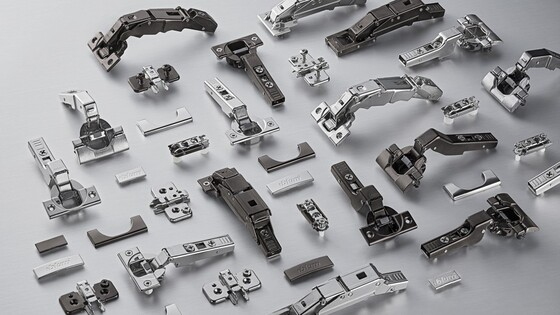
In carpentry and woodwork, hinges are essential for functional and durable cabinetry or furniture. The choice between non-softclose and softclose hinges can impact both performance and user experience. This article breaks down the differences to guide your next project.Non-Softclose HingesNon-softclose hinges are the traditional option, relying on manual control to open and close cabinet doors or drawers.
- Pros: Cost-effective, widely available, and simple to install. Offers full control over closing speed.
- Cons: Can slam shut if not handled carefully, potentially damaging wood or finishes over time. Less sophisticated in appearance.
- Best Use in Carpentry: Budget-friendly projects, utility cabinets, or areas where aesthetics aren’t a priority.
Softclose HingesSoftclose hinges feature a built-in damping mechanism that gently pulls doors shut, preventing abrupt slams.
- Pros: Enhances durability by reducing wear on wood and hardware, adds a premium feel, and improves safety by avoiding pinched fingers.
- Cons: More expensive, slightly complex installation, and may require adjustment for perfect alignment.
- Best Use in Carpentry: High-end kitchen cabinets, bathroom vanities, or furniture where quiet operation and elegance matter.
Key Differences
- Closing Mechanism: Non-softclose relies on manual effort; softclose uses a hydraulic or spring system for a smooth close.
- Durability: Softclose hinges protect wood and finishes longer by minimizing impact.
- Cost: Non-softclose is cheaper, while softclose adds value to premium projects.
- Aesthetics: Softclose offers a modern, refined look, enhancing woodwork presentation.
Practical Tips for Woodworkers
- For non-softclose hinges, ensure precise alignment to avoid binding, and consider adding rubber bumpers to reduce noise.
- With softclose hinges, test the damping action after installation and adjust tension if needed for a seamless close.
- Match hinge type to wood thickness and weight—softclose works best with heavier doors.
ConclusionNon-softclose hinges suit budget-conscious or utilitarian woodwork, while softclose hinges elevate quality and longevity in upscale projects. Choose based on your project’s purpose, budget, and the client’s preference for a quiet, gentle finish.