

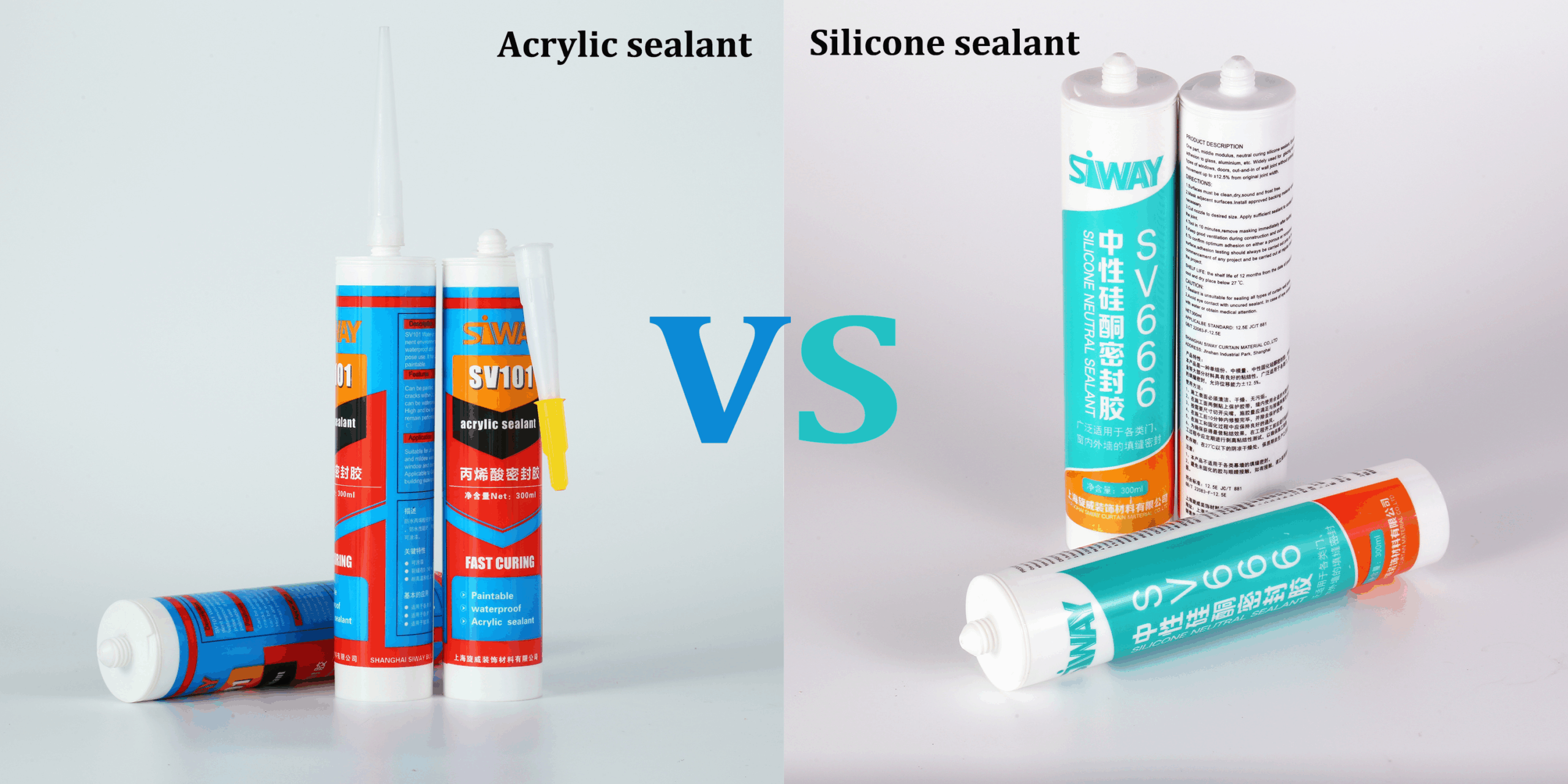
When working on carpentry and woodwork projects, selecting the right sealant can make or break the outcome, especially in areas exposed to moisture. Acrylic and bathroom silicone are two common options, each with distinct properties suited for different tasks. This guide explores their differences to help woodworkers choose wisely.Acrylic SealantAcrylic sealant, often water-based, is a popular choice for interior woodwork. It’s easy to apply and clean with water, making it ideal for DIYers and professionals alike.
- Pros: Paintable, allowing seamless integration with wood finishes; adheres well to porous surfaces like wood and drywall; affordable and quick-drying (within 24-30 minutes).
- Cons: Poor water resistance, prone to shrinking or cracking in moist environments, and less durable (5-10 years lifespan).
- Best Use in Carpentry: Sealing gaps in interior wood trim, baseboards, or window frames where moisture is minimal.
Bathroom SiliconeBathroom silicone, a flexible, rubber-like sealant, is designed for high-moisture areas. It’s a staple in carpentry projects involving wet spaces.
- Pros: Excellent water resistance, mold and mildew resistance, highly flexible to handle wood movement, and durable (15-20 years lifespan).
- Cons: Not paintable, harder to apply cleanly, and takes longer to cure (up to 24-48 hours).
- Best Use in Carpentry: Sealing wood around bathtubs, sinks, or shower enclosures, or outdoor woodwork exposed to weather.
Key Differences
- Moisture Resistance: Bathroom silicone outperforms acrylic in wet conditions, crucial for woodwork in bathrooms or kitchens.
- Flexibility: Silicone adapts to wood expansion and contraction, while acrylic may crack under movement.
- Finish: Acrylic’s paintability suits aesthetic wood projects, whereas silicone’s glossy finish is fixed.
- Durability: Silicone lasts longer, making it better for long-term woodwork investments.
Practical Tips for Woodworkers
- Use acrylic for dry interior woodwork where painting is needed, ensuring a smooth finish.
- Opt for bathroom silicone in moisture-prone areas, applying it with a caulking gun and smoothing with a wet finger for a neat seal.
- Always prep wood surfaces by cleaning and drying them to enhance adhesion.
ConclusionFor carpentry woodwork, acrylic is ideal for cost-effective, paintable interior seals, while bathroom silicone is the go-to for durable, waterproof joints in wet environments. Match the sealant to the project’s demands—dry elegance or moist resilience—to ensure lasting results.